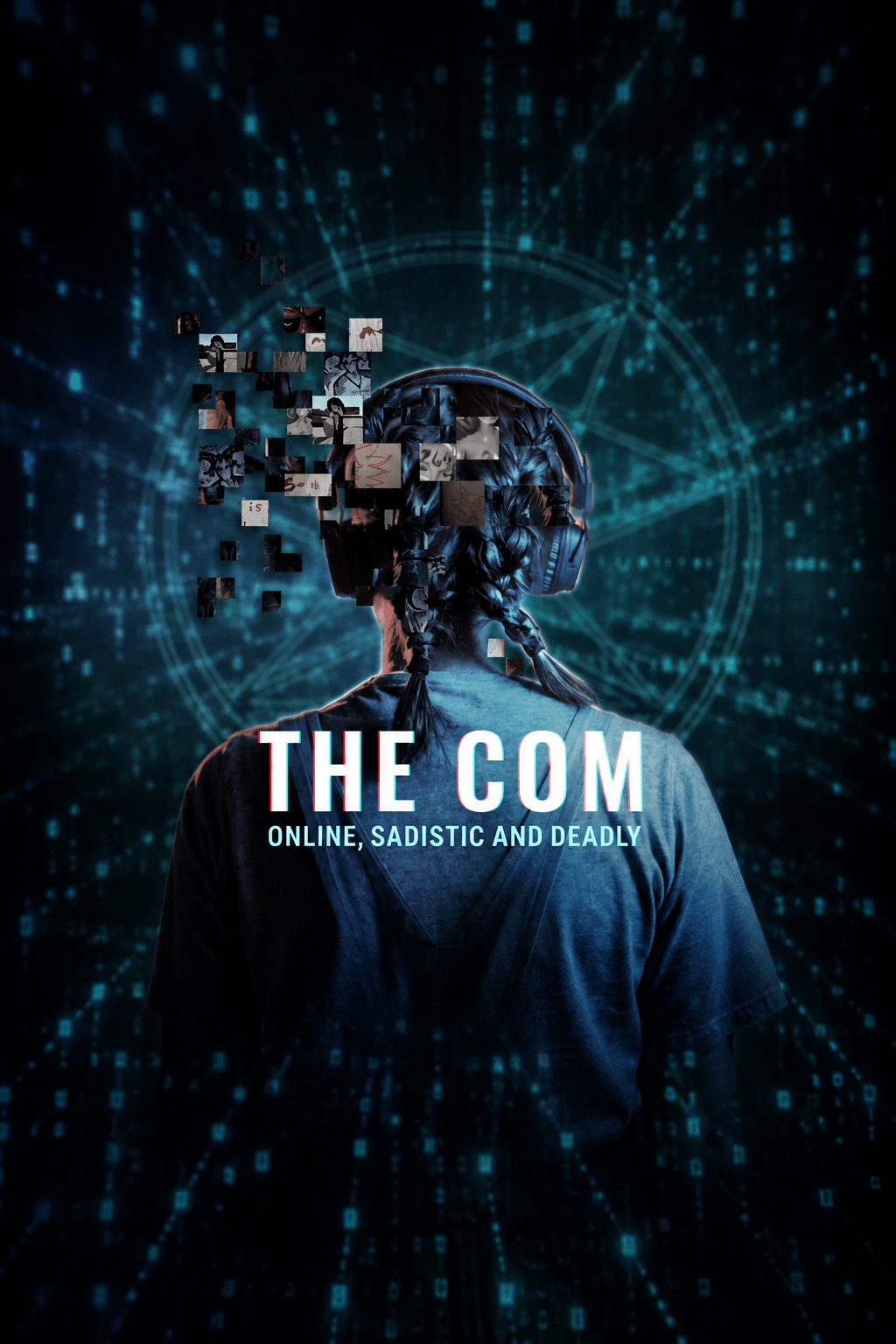
What is the Com network?
The Com network refers to a collection of online communities which see violence as entertainment.
Learn how young people might be recruited to become perpetrators and what you can do to protect your child.
Jump to section
- What is the Com network?
- How are young people targeted?
- Signs that a young person needs support
- 3 tips to protect your child
- Activities to do with your child
- Supporting resources
What is the Com network?
The Com network is a broad term used to describe a collection of groups which glorify violence. They might see violence as entertainment or a way to gain attention and status. It might be simply referred to as ‘the Com’ (short for ‘the community’).
The National Crime Agency issued a warning about the network of primarily teenage boys dedicated to causing harm and committing a range of crimes. While adults are involved in these communities, the agency’s main concern is that offenders are largely teen boys. They share sadistic and misogynistic material, targeting people their own age or younger.
Groups associated with the Com
Several offshoots exist within and around the Com network, focusing on specific acts like sextortion, self-harm and violence. The below are not a complete list but an example of some communities which are associated with the Com.
Click on the one(s) you’d like to learn more about.
The 764 network is made up several groups from all over the world which often target children. They coerce them into producing child sexual abuse material (CSAM) and into harming themselves or others. This often includes methods of sextortion.
Perpetrators will often target children who show signs of vulnerability, including:
- those with additional needs
- those who are socially isolated
- those who engage in self-harm
- those with eating disorders
- those with any kind of mental health struggle.
No Lives Matter (NLM) is an online community that exists globally and advocates for violence, terrorism and the overall end of humanity. Several cases of stabbings, murders, shootings and other serious violence has been connected to NLM. Along with the True Crime Community (below), they are linked to at least 4 school shooters and 5 disrupted school shooting plans, along with 2 stabbing sprees in Sweden.
The True Crime Community, in context of the Com network, consists of obsessive fans of criminals – particularly high-profile serial killers or mass murderers. The Institute for Strategic Dialogue (ISD) research found that the True Crime Community is ‘one of the most significant contributors to acts of public violence’ globally.
The Order of Nine Angles (ONA/O9A) combines Satanism and neo-Nazism as a ‘new religious movement’. It motivates different groups within the Com, teaching that breaking down society is the end goal. It says that basing society on human rights, equality and Judeo-Christian values makes society weak.
Groups like 764, No Lives Matter and the True Crime Community use these ideas to justify their actions. As such, severe abuse is treated like part of a ritual or mission rather than just a crime.
How are young people targeted?
The Com network preys on young people who are more vulnerable – such as those struggling with their mental health, who feel lonely or who are neurodivergent. Perpetrators will befriend a young person through kind messages and friendship. The goal is to build the young person’s trust.
Like other forms of grooming, once a Com member builds trust, they gradually start to coerce the victim. This includes getting them to share personal information, secrets or nude/sexual images.
The perpetrator will then blackmail the victim, threatening to share the shared information unless they take an action such as committing acts of violence, self-harm, vandalism or other acts.

Why might a young person join the Com?
There are several factors that could bring a child to joining the Com.
For some young people, they might not be able to see beyond the screen. They might encourage self-harm, violence and illegal behaviour from behind their computer screen but never fully connect the real-world impacts to this encouragement.
Other children who struggle with loneliness, belonging or mental health issues might find a sense of belonging and connection within the Com. Usually, this doesn’t start with glorifying violence or other harm. Instead, someone from the Com might befriend them and gradually introduce them to the network.
In some cases, the perpetrators might have once been victims themselves.
What platforms does the Com network use?
There are a range of apps and platforms that Com members might use to target young people. Popular platforms are the most used as this is where there are more potential victims. These spaces include:
In some cases, a perpetrator might meet a young person on a platform like Roblox or Minecraft. They will then convince the child to leave the platform for a space like Telegram, which is where the abuse happens. This is because these spaces have fewer safeguards for children.
Signs that a young person needs support
There isn’t one single warning sign that will tell you that your child is affected. Instead, you might notice several changes that suggest your child needs support.
The ISD outlines several signs that someone might be involved in the Com or associated groups.
- New or unusual secrecy around their online life.
- Secretive behaviours online such as creating new accounts, deleting messages or being overly cautious with their privacy (from you and online).
- Use of new messaging platforms like Telegram or dramatic shifts in how they use platforms like Discord.
- Obsessive use of digital devices.
- Social withdrawal.
- Secretive behaviours online such as creating new accounts, deleting messages or being overly cautious with their privacy (from you and online).
- Increased irritability, anxiety, mood swings or other forms of emotional distress.
- Changes in eating or sleeping patterns (or other routines).
- Substance abuse.
- Distancing from longstanding peer groups; prioritising new contacts or ‘friends’.
- Fresh injuries or cuts, scratches, bruises or other wounds (especially in unusual patterns or as symbols, words or names).
- Shifts in appearance and clothing (for example, wearing long sleeves in hot weather to hide self-harm).
- Unexplained physical or digital gifts.
- Pets having unexplained injuries or behavioural changes such as being fearful of your child.
While this is a long list, it does not mean every sign will be present in someone who is influenced by the Com. Also, signs that are not listed above may also be present, such as drawing or talking about harmful things.
Trust any gut feelings you might have. Investigate your child’s devices and seek professional support if you need it.
Organisations which can help
The following websites and helplines can offer you support in the UK:
You can also contact your local police non-emergency number for non-urgent advice at 101.
3 tips to protect your child
While the Com might feel scary, there are proactive things that you can do as a parent to protect your child. Prevention is key to online safety, so start using the following tips today.
Review boundaries and parental controls
Parental controls are a safety net to protect your child from unwanted contact and to help you stay on top of your child’s online life.
Review old boundaries or agree on new ones around digital use. Include regular check-ups on their device in this agreement. During this time, you can sit down with your child and have them take you on a tour of their activity. Pay attention to:
- Any new apps (and what they do).
- Duplicate apps (such as two Calculator apps; is one a decoy?).
- Who they’re messaging within their apps.
- What they’re talking about with their contacts.
Ask questions and review any parental controls if you feel like your child is at risk. For the least amount of pushback, try to involve your child in the decision-making process as much as possible.
Talk about risks and solutions
If your child knows about the online risks, they are more likely to recognise signs of harm. Discuss grooming and the techniques harmful people might use. These include:
- Strangers sending nice messages to become their friend and build trust;
- Asking your child to move to a different platform like Snapchat, Telegram or Discord;
- Contacts, including ‘friends’, asking for personal information, images/videos or to do something for them.
Let your child know that you are there to support them even if they’ve already sent or done something you’ve warned against. Being a calm presence and open space for your child makes them more likely to tell you if something goes wrong.
Encourage them to block and report anyone making them feel uncomfortable or who is showing harmful behaviours.
Get support for you and your child
If your child is targeted or you fear they have joined the Com, reach out for help. Whether that’s contacting the NSPCC helpline, contacting the police non-emergency number or reaching out to a therapist or counsellor, you do not need to deal with it alone.
Review parental controls and privacy settings along with reporting tools they can use. Consider if you need to add any new device-wide controls.
Then continue to check-in with them and how they’re feeling. Encourage them to talk about the incident with you, with a helpline like Childline or The Mix, or with a therapist/counsellor that you find together.
Talking to a trained professional can also help your child work through the feelings that led them to the network, such as loneliness or anger.
Activities to do with your child
These activities can help your child navigate safe communication and learn healthy online habits.

Digital Matters stories
The Online Together Project
Say It Right investigation activity
Storyboard together

What is a friend?
 Close video
Close video
Close video
Close video
Close video
Close video
Close video
Close video
Close video
Supporting resources
Explore more advice on the Com network and online grooming behaviours with the resources below.
The Com: Online, Sadistic and Deadly
What is the 764 network?

Online grooming: Facts & advice

What is child-on-child abuse?

Knowing if something is wrong
Close video
Close video
Close video
Close video
Close video