
What to do if your child is contacted by a stranger
Supporting children with additional needs online
Use this simple guide to help you take action and support your child if they’ve been contacted by a stranger online.
What to do if a stranger contacts your child online | Internet Matters
 Close video
On this page
- Steps for if your child is contacted by a stranger online
- What to do next
- Activities to do together
- Helplines and communities
- More resources
Steps to take if your child has been contacted by a stranger
Follow the steps below to take care of your child if a stranger has contacted them online.
If you prefer a visual guide, download the infographic in colour, download the infographic in black and white, or watch the video.
1. Reassure them
Thank your child for telling you about the interaction. Let them know that they are not in trouble and did the right thing coming to you.
2. Review the interaction
Not everyone online seeks to cause harm.
Review the interaction with the user and view their profile to understand who they are and whether the interaction seems safe and appropriate.
3. End communication
If you do not trust the user, block them on the platform to stop them from contacting your child again.
If their message is inappropriate or breaks the platform rules, you can also report the user to the platform. Be sure to take screenshots of these messages first to keep as evidence if needed.
4. Manage safety settings
Alongside your child, go through the privacy settings on the platform. Customise who can contact your child in public and through direct messages (DMs).
You can also set up parental controls within some apps and games to place further limits who can contact your child.
5. Chat and check-in
Talk about the importance of safety settings and your child continuing to tell you if a stranger contacts them.
Check-in on their friends lists regularly (such as monthly) and ask your child about the people they talk to or play online games with.
What to do next
If your child was contacted by a stranger you decided was harmful, they might feel like they did something wrong. A child with additional needs might also become overly cautious or anxious about future interactions.
If your child is experiencing any of the below issues, click to expand the box and find strategies that could help.
If your child told you about a stranger contacting them and you stopped the communication, your child might feel like they’ve done something wrong. This could be particularly true if you have a rule in place about not talking to people they don’t know. Some children with additional needs might find it challenging to move past this feeling.
- Praise them telling you. Explain that they did nothing wrong and actually made a great choice telling you. Clarify that the rule is there to protect them and that them telling you has helped to protect them.
- Reflect on the incident. Talk about what happened. If they reveal anything new, thank them for telling you and assure them that telling you everything is the best way for you to help. Either assure them that they did everything right or discuss what they could do better, so they’re prepared if something similar happens later.
If someone harmful contacted your child or manipulated them, they might fear the digital spaces they once found comfort in. They might worry that they will do something wrong or that another harmful person will contact them. This could lead to emotional dysregulation or avoidance of digital spaces.
- Review use of on-platform tools. Showing your child how they can keep themselves safe and avoid harmful strangers can empower them to take action. Review blocking and reporting tools, and explain that strangers will not know if they take these actions.
- Practise identifying negative behaviour. This can help your child feel more confident in spotting harmful people, which can empower them in their time online. Start by making a list of positive behaviour and negative behaviour together, and display it somewhere they use their device as a reminder.
After contact with a stranger, children might become anxious in online spaces, especially if the stranger’s messages made them feel uncomfortable. This can result in them avoiding platforms they used to enjoy. Help them rebuild their confidence with the following advice.
- Set up ‘contact’ rules for strangers. Decide on actions your child can take if a stranger contacts them again in the future. For example, they shouldn’t respond to the person and should tell you.
- Set up parental controls. Put controls on your child’s account to limit who can comment on their content, reply to them or send them private messages. Your child might also benefit from you showing them that you have the control now to prevent strangers from contacting them again.
Activities to do together
These activities can help your child manage their wellbeing and keep themselves safe online.

What is a friend?

'What if…?' scenarios
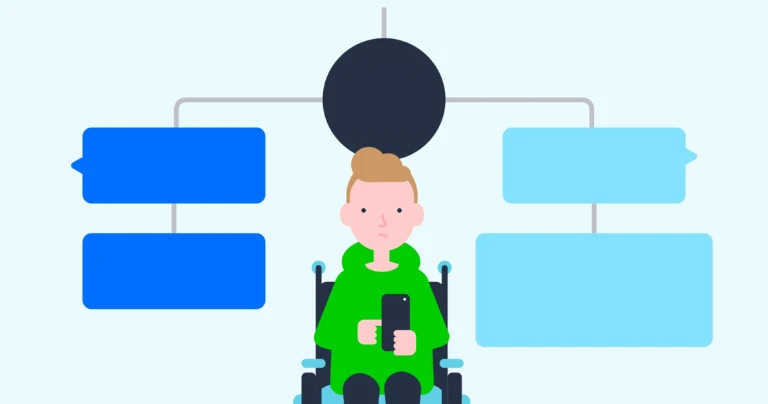
Learning with social stories

'Get help' cards
Close video
Close video
Close video
Close video
Helplines and communities
The following organisations and help you and your child find support. From helplines and 1-2-1 chats to message boards, use the resource that works best for you.
For parents/carers
For children and teens
More helpful resources
The following resources can help you and your child learn more about handling contact from strangers.
Adapt these resources as needed to support children with additional needs.
A "Friend" Appears (story)

A Photo Too Far (story)
How to secure your child's account

How to talk about harassment and abuse

Online grooming guidance
Close video
Close video
Close video
Close video
Close video