Communication with others is a big part of going online, especially as your child grows. Use the guidance below to help your child understand safe communication online.
Communication with others is a normal part of going online. Social media, video comment sections and multiplayer video games all have ways for users to communicate with one another.
A child with additional needs could need support with:
Using appropriate language
Identifying bullying behaviours
Identifying grooming behaviours
Taking action when someone might be seeking to harm.
Setting expectations
Set expectations for both you and your child to help them understand what might lead to platform breaks or stricter parental controls.
Explore the examples below and choose the actions that work best for your family.
This means that they can tell you anything that happens, and you won’t get mad. You just want to keep them safe. Be sure to stick to this protocol no matter what.
Agree on boundaries around what platforms your child can use, where they can access those platforms and who they can talk to. For example, if they play Fortnite, maybe they can only play on the PS5 in the living room and can only talk to friends from school but not strangers.
For example, your child can tell a user that they played a good game but should not tell a user that they played a bad game or what they should have done instead. This can hurt people’s feelings and make them angry.
Let your child know that you are setting parental controls to keep them safe. Explain which communication controls you’re setting and why. As they grow, let them have more of a voice in these controls.
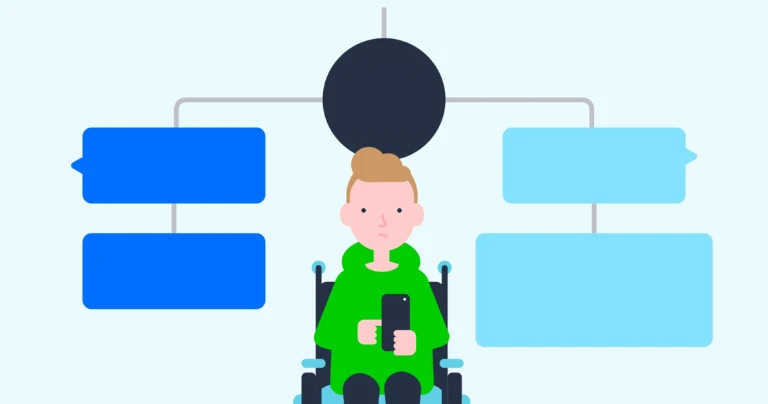
Explain that independent online use is earned by sticking to the rules, but it can also be taken away when rules are broken. Create a visual like a simple poster that shows the relationship between rule-following and freedom versus rule-breaking and stricter controls.
Regularly review these expectations to make sure your child knows the rules. This makes it easier for them to understand the consequences of negative communication. It also helps them recognise that you are a team when it comes to helping them interact safely online.
Developing reliable watchouts
Some children with additional needs might benefit from concrete examples of behaviours to watch out for. This can help them take action to block or report harmful people.
Explore the examples of actions below and choose the ones that work best for your family.
Together, create a list of phrases that tell your child to stop talking to a person. This includes phrases like ‘you’re sexy’, ‘can you send me a pic’ and ‘add me on Snap.’
Create a list of actions that tell your child to stop talking to someone. For example, if someone spams your child with any kind of message, image or emoji, that is a sign to stop talking to them.
If your child is angry, sad or generally unhappy, their body might be telling them to stop. The same goes for if their body is shaking, their heart is beating fast even though they’re sitting still, or their stomach feels full of butterflies. If they feel any of these things, they should tell you.
Review these watchouts on a regular basis and roleplay scenarios where you can. This will help them to become more mindful communicators online.
Practising safe interactions
Practising safe interactions through roleplay, scenarios or social stories can help your child feel better prepared for safe communication online.
Explore the examples of actions you can take below to choose the ones that best support your family.
Decide on standard responses that your child can give if they feel angry or scared. This can help de-escalate heated situations. For example, saying ‘I don’t like that’ and ‘stop’ are clear messages. Explain that if the person doesn’t listen, then your child should stop talking to them.
Decide on scenarios where they need to ask you for permission. For example, if someone asks your child to share a picture of themselves or chat on another platform, they should respond ‘I need to ask my dad first’.
Roleplay scenarios that could lead your child to saying something negative by accident. For example, if your child hears something at school that everyone laughs at, saying it online might not get the same reaction, so it’s important not to repeat what they see or hear from others.
Talk about or roleplay actions to take if something goes wrong. For example, if they say something that gets them a warning in a video game, they should tell you. If someone makes your child upset, they should block them.
Regularly talk about the responses your child can give and the actions they can take to stay safe. Practising online interactions can make it easier for children with additional needs to navigate social situations online.
Explore the following activities to help your child communicate more safely in online spaces.
Learning with social stories: Consequence and choices
Use these social stories to discuss consequences of actions your child takes online and safer alternatives.
Storyboard together: Online relationships
Use this activity to talk about online friends who might step into unsafe behaviour. Help your child think about steps to take if this happens.
What is a friend?
Use this guide to help your child understand that online friends are not always the same as offline friends. This can help them learn the importance of privacy and boundaries.
Be Scam Smart: What could you do?
Use these social stories to talk about scams in games that could lead to your child losing their account or giving away rare items.

 Close video